Swap Versus Cancellation: Which Protects Your Test?
Published 27 October 2026
You have finally got a practical driving test booked, but the date no longer works. Perhaps your instructor is away, you are not test-ready, your work rota has changed, or a better slot has appeared at a more convenient centre. The swap versus cancellation decision matters because one choice can leave you holding a stronger position, while the other can put you back into a long queue.
For most learners who already have a booking worth protecting, a swap is the lower-risk route. Cancellation can still be the right answer in some situations, but it should be a deliberate decision, not a quick fix made under pressure.
Swap versus cancellation: the key difference
Cancelling means giving up your existing practical driving test appointment. Once it is released, that slot is no longer yours. Someone else may take it straight away, and there is no guarantee you will find an alternative that suits your test centre, instructor, timetable or readiness.
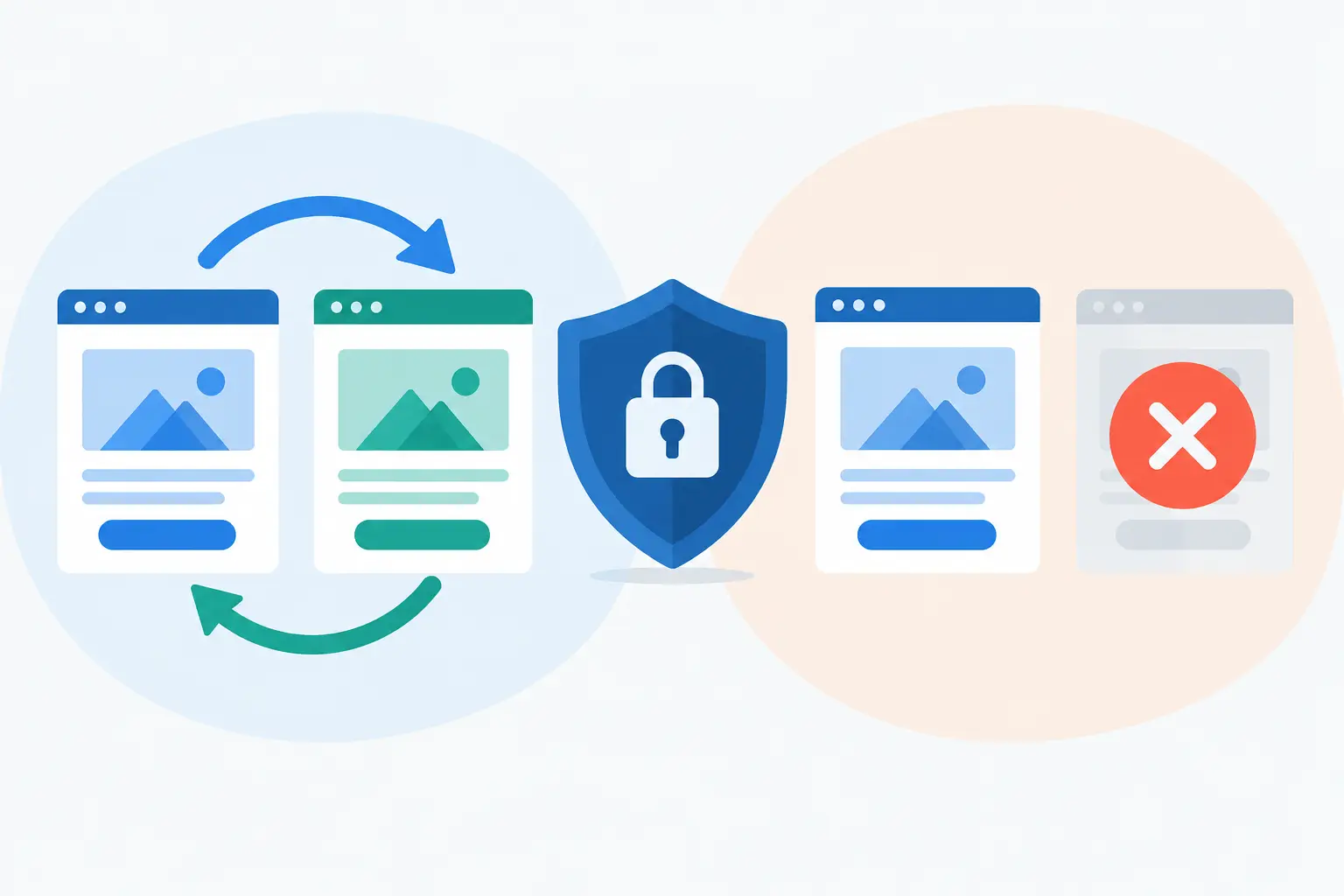
A test swap is different. It connects two learners who both have DVSA practical tests booked and want each other’s dates, centres or timeframes. You keep your booking while looking for a compatible match. When a match is agreed, both candidates complete the change through the DVSA’s official process.
That difference is simple, but it changes the risk. A cancellation is a gamble on what may become available later. A swap starts with an appointment already in hand and looks for a better fit without unnecessarily giving up your place.
Why cancelling can be a costly move
Test availability varies widely across Great Britain. Some centres have limited appointments for months, while others have more movement caused by cancellations, changing instructor availability and learners becoming ready sooner or later than planned. If you cancel first, you are relying on the right slot appearing at the right moment.
That can mean repeatedly checking the DVSA booking service, reacting quickly when a date appears, and still missing it. It can also create a new problem with your instructor. A slot may be available, but not on a day when they can take you to test or provide their car.
There is also the issue of readiness. If your current test is in six weeks and you cancel it because you would prefer one in three weeks, you could end up with neither. A speculative cancellation may turn a manageable wait into a much longer one.
Cancellation makes more sense when you genuinely cannot take the test at all. For example, you may be moving abroad, have stopped lessons for the foreseeable future, or know you will not be able to meet the requirements for test day. In that situation, releasing the appointment is fairer than holding a date you will never use.
But if you still intend to sit your test and simply need a more suitable date, centre or time, protecting your existing appointment should usually come first.
When a swap is the better option
A swap is particularly useful when your current booking is valuable but inconvenient. You might have a date at your preferred local test centre but need it later to allow time for more lessons. Or you may be ready now but have a test months away and want to bring it forward.
It also helps when location is the main problem. Learners often book the first available appointment they can find, only to discover that travelling to the test centre is difficult, unfamiliar or impractical for their instructor. A compatible exchange can make the booking work around real life rather than forcing real life around the booking.
Swapping is not a promise that you will get any date you choose. A match depends on another learner wanting what you have and holding an appointment that fits your preferences. The more flexible you can be on dates, times and nearby test centres, the stronger your chances are.
That is why it helps to set realistic preferences. Decide what is essential, such as a test after your university exams or a centre within reach of your instructor. Then identify what you can compromise on, such as morning versus afternoon or a date within a two-week range. Flexibility gives the matching process more room to work without making you accept a booking that is no use to you.
Keep the process legitimate and in your control
A genuine driving test swap is not about selling appointments or passing a booking reference around. It is about two candidates coordinating a change to their own bookings using the official DVSA process.
You should never pay a stranger for a test slot, share unnecessary personal information or rely on anyone claiming they can guarantee a DVSA appointment. If an arrangement feels rushed, unclear or dependent on unofficial access, walk away.
With a proper swap, each learner remains responsible for their own booking. The final change is completed directly through the DVSA official phone line, so both parties can confirm the details before anything is altered. That protects you from giving up a real appointment based on an informal promise.
DrivingTests.co.uk is built around this approach. You can list the test you already hold, choose your preferred dates and centres, and receive automatic email and SMS alerts when a suitable match is found. It is free to join and list your test, with no subscription and no payment unless a swap is successfully completed.
How to decide before you change anything
Start by looking at your current booking as an asset. You may not love the date, but it is a confirmed place in a system where appointments can be difficult to find. Ask whether the booking is workable with a few adjustments before deciding it has to go.
Next, be honest about why you want to change it. If you need extra lessons, calculate how many you can realistically fit in before the current date. If you want an earlier test, check that your instructor agrees you are ready. Getting an earlier appointment only helps if you can use it confidently.
Then consider the cost of waiting. A later test can affect work plans, a move, insurance arrangements or a course start date. An earlier test may reduce the cost of continued lessons and help you get on the road sooner. These are good reasons to look for a swap, but they are not always good reasons to cancel first.
Finally, speak to your instructor before you commit. They know your driving, their diary and the practical differences between nearby centres. A different route, a busy time of day or an unfamiliar test area may not make a date impossible, but it should be part of your decision.
What to do if no match appears quickly
No match does not mean your existing booking has lost its value. Keep it while you widen your preferred date range or include other realistic test centres. A small change in flexibility can bring in more potential matches.
You can also continue preparing for the test you have. That gives you two good outcomes: a better date becomes available, or you are ready to take the original appointment. Either way, you have not spent weeks waiting with nothing secured.
Avoid treating a swap search as a reason to pause lessons or postpone preparation. Dates can change, but the best position is always to be ready when an opportunity arrives.
The safer choice is usually the one that keeps options open
Cancellation gives you a clean break, but it also removes your safety net. A swap keeps your current test in place while you look for something that suits your plans better. For learners facing long waits and limited availability, that is often the practical difference between moving forward and starting again.
If your test date is still usable, hold onto it while you look for a better fit. You can always choose to cancel later if your circumstances genuinely change. It is much harder to recover a good appointment once you have let it go.
Looking to swap your driving test date?
See how it works